Water Mitigation in Texas, Done Right the First Time
Fast extraction, structural drying, and documented results across the state
Water Mitigation in Texas means stopping the source, pulling the water, and drying the structure before mold takes hold. Texas Water Response handles residential and commercial water mitigation Texas wide, from slab leaks in Fort Worth to storm-driven flooding in Brownsville. When water is rising, you need a crew that knows Texas building stock and Texas insurance rules. Call (512) 555-0147.
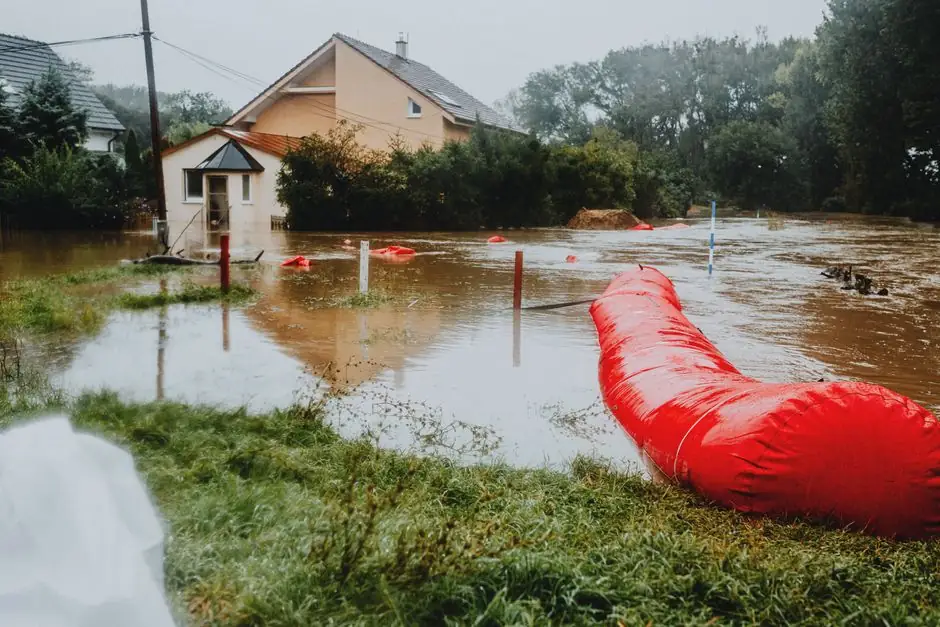
What Water Mitigation in Texas Actually Involves
Water Mitigation in Texas is the emergency phase of water damage work that stops the source, extracts standing water, and dries the structure to prevent secondary damage. It is not the same as full restoration. Mitigation covers the first 24 to 72 hours: shutting off the supply, extracting water with a water extraction unit, setting air movers and dehumidifiers, and documenting moisture readings with a moisture meter and thermal imaging camera. Restoration, by contrast, rebuilds what was torn out. Most Texas policies treat these as separate line items, so knowing the difference matters when you file.
Texas homes fail in predictable ways. A burst pipe behind a slab, a water heater failure in an attic, a sewage backup after a heavy rain, or foundation water intrusion along the Gulf Coast all push water into materials that were never meant to get wet. Because Texas summers run hot and humid, mold growth after water damage can start in as little as 24 to 48 hours. That is why we treat every call as urgent. Our Texas water mitigation services are built around speed, accurate documentation, and drying science, not guesswork.
Why Texas Homeowners Call Us First
Water damage gets worse by the hour. These are the outcomes our customers care about most when they call Texas Water Response.
Faster Drying Times
We set drying equipment the same day we extract. Most residential jobs dry in 3 to 5 days instead of the 7 to 10 days we see when homeowners wait. Air movers, dehumidifiers, and daily moisture meter readings keep the schedule honest.
Mold Stopped Early
Mold growth after water damage can begin within 24 to 48 hours in Texas humidity. We apply antimicrobial solution to affected framing and drywall edges, then verify with a hygrometer before we pull equipment. Catching it early saves thousands in remediation later.
Insurance Documentation
We photograph every affected room, log moisture readings, and build line-item scopes in Xactimate. That format is what most Texas adjusters expect. Clean documentation is the difference between a covered claim and a disputed one.
One Crew, Start to Finish
The same technicians who extract your water also handle structural drying and, when needed, mold remediation. You are not juggling three contractors. One point of contact, one schedule, one invoice.
Our Water Mitigation Process, Step by Step
Every job follows the same disciplined sequence. Here is what you can expect from the first phone call to the final moisture reading.
Emergency Call
You call (512) 555-0147 and reach a live dispatcher, not a voicemail. We ask what happened, where the water is, and whether the source is still running. Within minutes we have a crew assigned and a realistic arrival window. You get a text with the technician name and vehicle.
Inspection and Shutoff
The first technician on site finds the source and shuts it off if you have not already. We walk the affected area with a moisture meter and thermal imaging camera to map how far the water traveled. This usually takes 20 to 40 minutes and tells us exactly what we are dealing with.
Water Extraction
We pull standing water with a water extraction unit and wet/dry vacuum, focusing on carpet, pad, and low spots first. For sewage backup or storm surge flooding, we remove contaminated materials before extraction. Most residential extraction runs 2 to 4 hours.
Drying Setup
Providers place air movers and dehumidifiers based on the moisture map, not a formula. Dri-Eaz and Phoenix Restoration Equipment units are our standard. We install polyethylene sheeting to contain the work zone and set an air scrubber if the water was contaminated. Setup takes about an hour.
Daily Monitoring
A technician returns every day to log readings with a moisture meter and hygrometer. We adjust equipment placement, add units if a wall is still wet, and photograph progress for your file. Drying typically completes in 3 to 5 days for residential jobs.
Local Experience You Can Verify
Independent providers hold IICRC Water Damage Restoration Technician (WRT) and Applied Structural Drying (ASD) certifications, and several carry the IICRC Mold Remediation Technician (MRT) credential. We work to the IICRC S500 standard for water damage and the S520 standard for mold. Because we operate across Texas, we have dried out pier-and-beam homes in Fort Worth, slab-on-grade builds in Round Rock, and stucco-over-frame houses in Brownsville. That range matters. A drying plan that works in Amarillo will fail in Houston. We read the building, not just the moisture meter.
- Independent providers send IICRC WRT- and ASD-certified technicians to every water mitigation crew
- Provider technicians hold IICRC MRT certification for mold work that follows water damage
- EPA Lead-Safe certified providers for pre-1978 homes common in older Texas neighborhoods
- OSHA 10-Hour Construction Safety training for provider field staff
- Providers carry a Texas Mold Remediation Contractor License and TDI licensed mold assessor support for regulated mold work
Why Texas Water Response Leads in Water Mitigation
Plenty of companies will answer the phone. Fewer will dry your structure correctly and document it for your adjuster. Here is what separates our crews.
We Answer at 3 AM
Water does not wait for business hours, and neither do we. Our 24/7 water mitigation services Texas line is staffed by live dispatchers, not an answering service. A burst pipe at midnight gets the same response as a call at noon.
Drying Verified, Not Assumed
We do not pull equipment because the calendar says day four. We pull it when a moisture meter and hygrometer confirm the materials are back to dry standard. That extra day of monitoring is what prevents a callback and a mold claim.
Insurance-Ready Files
Every job includes photo documentation, moisture logs, and an Xactimate scope. Adjusters can read our files without calling us for clarification. That speed helps you get paid faster and reduces disputes over what was actually wet.
Statewide Coverage, Local Crews
We run crews out of multiple Texas metros, so a call from Fort Worth is handled by technicians who know Tarrant County building codes. A call from Brownsville gets a crew that understands Gulf Coast humidity. Same standards, local knowledge.
What Our Water Mitigation Service Includes
Every water mitigation job includes the core services below. Some situations require additional work, such as mold remediation or reconstruction, and we will tell you upfront if that applies to your property.
What's Included
Source Identification and Shutoff
We locate the source of the water, whether it is a burst pipe, slab leak, appliance overflow, or roof leak, and shut it off before extraction begins. If the source is a plumbing failure, we document it for your insurance claim.
Water Extraction and Removal
Standing water is pulled with a water extraction unit and wet/dry vacuum. Contaminated water from sewage backup or storm surge flooding is handled separately, with affected materials removed and disposed of properly.
Structural Drying Setup
Air movers and dehumidifiers are placed based on a moisture map created with a moisture meter and thermal imaging camera. We use Dri-Eaz and Phoenix Restoration Equipment units and adjust placement daily.
Antimicrobial Application
Affected framing, drywall edges, and subflooring are treated with antimicrobial solution to slow mold growth after water damage. This is standard on every job, not an add-on.
Daily Monitoring and Documentation
A technician logs moisture readings every day with a hygrometer and moisture meter, photographs progress, and adjusts equipment. You receive a summary when drying is complete, ready to submit to your adjuster.
Water Problems We Solve Across Texas
Most water damage calls fall into a handful of categories. Here is what we see most often and how we handle each one.
Burst pipe behind a wall or under a slab
Water spreads through the wall cavity and into adjacent rooms before you notice. Without fast extraction, drywall and insulation stay wet and mold growth after water damage begins within 48 hours.
We shut off the line, open the wall or floor as needed, extract standing water, and dry the cavity with directed air movers. A bore scope lets us inspect inside the wall without unnecessary demolition.
Sewage backup in a ground-floor bathroom
Category 3 water carries bacteria and requires removal of contaminated materials. Drying alone will not make the space safe, and the smell lingers if the source is not fully addressed.
We remove affected flooring, baseboards, and drywall, treat the framing with antimicrobial solution, and dry the structure. An air scrubber with HEPA filtration runs during the entire dry-down.
Storm surge flooding along the Gulf Coast
Saltwater and debris push into the lowest level of the home. Materials stay wet longer because of high humidity, and electrical systems may be compromised.
We coordinate with your electrician if needed, extract water, remove unsalvageable materials, and run desiccant dehumidifiers to handle the coastal humidity. Drying timelines are extended by one to two days in these conditions.
Water heater failure in an attic or closet
A failed tank can release 40 to 80 gallons. In an attic, that water travels down through ceilings and insulation, affecting multiple rooms before it reaches the floor.
We extract from the lowest point, then work upward, drying ceilings, walls, and insulation. Thermal insulation that is saturated is removed and replaced. We document the path of the water for your claim.
When to Call for Water Mitigation
You come home to a flooded basement after a heavy spring storm in Fort Worth.
We pump out standing water with a sump pump and water extraction unit, then dry the concrete and any finished materials. If the source was foundation water intrusion, we document it so your adjuster can see it was not a plumbing failure.
The basement is dry in 3 to 4 days, and you have a clear report showing what caused the flooding.
A toilet supply line breaks overnight in your Round Rock rental property.
Independent providers extract water from the bathroom, hallway, and any adjacent bedroom, then set drying equipment. Because it is a rental, we photograph everything and send the documentation to both you and your tenant.
The unit is dry and ready for repairs within a week, with no mold and no tenant complaints.
A commercial kitchen in Brownsville has a grease trap overflow during service.
We isolate the affected area, extract the water, and treat the floor with antimicrobial solution. An air scrubber runs overnight to remove odors before the kitchen reopens.
The kitchen passes inspection and reopens the next morning with no lingering smell.
Your washing machine hose bursts while you are at work in Fort Worth.
We shut off the supply, extract water from the laundry room and any rooms it reached, and dry the subflooring. If the subflooring is particle board, we remove and replace it rather than trying to dry it.
The laundry room and hallway are dry in 3 days, and the repair scope is ready for your insurance.
Tools and Methods We Use
Tools & Equipment
Moisture Meter and Thermal Imaging Camera
Used together to map how far water traveled behind walls and under floors. The thermal camera finds cool spots that indicate hidden moisture, and the meter confirms the reading.
Water Extraction Unit and Wet/Dry Vacuum
Truck-mounted and portable extraction units pull standing water from carpet, pad, and hard surfaces. Wet/dry vacuums handle small pockets and tight spaces.
Air Movers and Dehumidifiers
Dri-Eaz and Phoenix Restoration Equipment air movers circulate air across wet surfaces. Dehumidifiers pull moisture from the air so the drying process does not stall.
Hygrometer and Infrared Thermometer
The hygrometer measures relative humidity in the drying chamber, and the infrared thermometer checks surface temperatures. Both are logged daily to verify drying progress.
Bore Scope
A small camera that lets us inspect inside wall cavities without cutting large openings. It confirms whether insulation and framing are wet after a slab leak or burst pipe.
Air Scrubber with HEPA Filtration
Runs during sewage backup cleanup and any job with contaminated water. It captures airborne particles and helps control odors while the structure dries.
Desiccant Dehumidifier
Used on Gulf Coast jobs where humidity stays high. Desiccant units pull more moisture from the air than standard refrigerant dehumidifiers in hot, humid conditions.
Methods
IICRC S500 Standard
The industry standard for water damage restoration. It defines water categories, drying goals, and documentation requirements. Every job we run follows S500, which is what most Texas adjusters expect to see.
Xactimate Scoping
We build line-item scopes in Xactimate, the estimating platform most Texas insurance carriers use. That means your adjuster can review our documentation without translation, which speeds up claim approval.
Daily Moisture Mapping
We do not guess when drying is complete. A technician logs moisture content in each affected material every day and compares it to a dry standard for that material. Equipment comes out only when the numbers say so.
Containment and Negative Air
On contaminated jobs, we seal the work area with polyethylene sheeting and run an air scrubber to create negative pressure. This keeps dust and spores from spreading to clean areas of the home.
How Water Mitigation Runs in Texas
Texas is not one climate. A water mitigation plan that works in Amarillo will fail in Brownsville. Along the Gulf Coast, humidity stays above 70 percent most of the year, so we run desiccant dehumidifiers and extend drying timelines by a day or two. In North Texas, the freeze events that hit Fort Worth and Dallas push burst pipe calls into the hundreds within 48 hours. We staff up for those weeks. Central Texas, including Round Rock and Austin, sits on expansive clay soils that shift with moisture, which means foundation water intrusion and slab leaks are common. We use a bore scope to inspect under slabs before we cut. Building stock varies too. Older neighborhoods in Fort Worth and San Antonio have pier-and-beam foundations and original hardwood floors that need slower drying to avoid cupping. Newer construction in Frisco and McKinney uses engineered materials that dry faster but can delaminate if overheated. We adjust equipment and timelines to the building, not a script. If you need emergency water mitigation in Texas, call (512) 555-0147 and we will send the right crew for your region.
Service Areas
Older pier-and-beam homes with original hardwood. We dry these slower and use mats to protect floors from equipment.
Historic commercial buildings with thick masonry walls. Drying takes longer because masonry holds moisture, so we plan for 5 to 7 days.
Slab-on-grade homes built in the 1990s and 2000s. Supply line leaks are common, and we often find water under the slab edge.
A mix of older bungalows and new construction. We see roof leaks and appliance overflows here more than slab issues.
Local Considerations
Gulf Coast humidity above 70 percent
Standard refrigerant dehumidifiers struggle to keep up. We bring desiccant units and plan for one to two extra drying days on coastal jobs.
North Texas freeze events
Burst pipe calls spike within 48 hours of a hard freeze. We pre-stage crews and equipment in Fort Worth and Dallas to handle the volume.
Expansive clay soils in Central Texas
Slab leaks and foundation water intrusion are more common. We inspect with a bore scope before cutting into the slab.
Spring storm season across the state
Hail and heavy rain drive roof leaks and flooded basements. We prioritize active water intrusion over already-stabilized jobs.
Burst Pipe in a Fort Worth Bungalow
A supply line to the kitchen sink burst overnight. Water spread across the kitchen, dining room, and hallway. Carpet was saturated, and the hardwood in the dining room had started to cup. The homeowner called us at 6 AM.
We extracted 40 gallons of standing water, removed the carpet and pad, and set 12 air movers and 3 dehumidifiers. The hardwood dried in place over 5 days with no cupping. Final moisture readings were within 2 percent of dry standard.
Maintenance & Follow-up
We recommended a water alarm under the sink and an annual inspection of the supply lines. The homeowner replaced the line with braided stainless steel.
A ground-floor bathroom backed up during a storm, sending Category 3 water into the hallway and a bedroom closet. The tenant reported the smell within hours. The flooring was vinyl plank, and the baseboards were saturated.
We removed the vinyl plank, baseboards, and 12 inches of drywall in the affected areas. The framing was treated with antimicrobial solution, and an air scrubber ran for 4 days. Final readings confirmed the structure was dry and odor-free.
Maintenance & Follow-up
The landlord installed a backwater valve on the main line and scheduled annual sewer inspections. The unit was re-rented within two weeks.
A 50-gallon water heater in the attic failed and released its tank through the ceiling of two bedrooms. Insulation was saturated, and water had traveled down the interior walls. The homeowner noticed a stain on the ceiling at 7 AM.
We extracted water from both bedrooms, removed saturated insulation, and dried the ceiling joists and wall cavities over 4 days. The drywall was replaced, and the ceiling was repainted. Final moisture meter readings were normal in all affected materials.
Maintenance & Follow-up
We recommended a drip pan with a drain line and an annual flush of the water heater. The homeowner also added a water leak sensor in the attic.
What Water Mitigation Costs in Texas
Most residential water mitigation jobs in Texas run $1,200 to $4,500 in 2026. The final number depends on how much water escaped, what materials got wet, and how long drying takes. We provide a written scope before work begins, and we bill your insurance directly when the loss is covered. If you are paying out of pocket, we will walk you through the estimate line by line so there are no surprises.
Pricing Factors
Square footage affected
A single room costs less than a whole floor. Extraction time, equipment count, and drying days all scale with the size of the affected area. A 200-square-foot bathroom is a different job than a 1,200-square-foot finished basement.
Water category
Category 1 water from a clean supply line is the simplest. Category 2 (gray water) and Category 3 (sewage or storm surge) require removal of contaminated materials, antimicrobial treatment, and air scrubbing, which adds labor and disposal costs.
Material types
Carpet and pad are usually removed and replaced. Hardwood can sometimes be dried in place, which saves money. Drywall that has wicked water more than 12 inches up usually needs to be cut out and replaced.
Drying duration
Most jobs dry in 3 to 5 days. Coastal humidity or dense materials can push that to 7 days. Each additional day adds equipment rental and monitoring labor to the invoice.
Access and after-hours
A crawlspace or attic adds labor time. Calls between 10 PM and 6 AM carry an after-hours rate, though the difference is modest and we tell you the number before we dispatch.
Investment Range
$1,200 - $4,500 for most residential jobs; commercial scopes priced per square foot
Based on project scope
Value You Get
The cost of mitigation is almost always less than the cost of mold remediation and reconstruction. Drying a structure correctly the first time prevents the secondary damage that turns a $2,000 job into a $15,000 one.
What is water mitigation in Texas?
Water mitigation in Texas is the emergency phase that stops the water source, extracts standing water, and dries the structure to prevent further damage. It covers the first 24 to 72 hours of a water loss. Mitigation does not rebuild walls or replace flooring. It stabilizes the property so restoration work can happen on a clean, dry surface.
How long does water mitigation take in Texas?
Extraction and setup take 3 to 6 hours on a typical job. Structural drying then runs 3 to 5 days for residential properties and 5 to 7 days for commercial spaces with dense materials. We monitor daily and do not pull equipment until moisture readings confirm the structure is dry.
Does water mitigation prevent mold in Texas?
Yes, when it starts within 24 to 48 hours. Texas humidity speeds mold growth, so fast extraction and drying are the best prevention. We apply antimicrobial solution to affected framing and use air scrubbers during the dry-down. If mold is already present, we bring in IICRC MRT certified technicians to handle remediation.
Licensed, Certified, and Reviewed
Certifications
Reviews
Called at 2 AM with water pouring from a burst pipe. A technician was at the house in 45 minutes. He shut off the water, extracted what he could, and had drying equipment running before sunrise. The daily moisture logs made my insurance claim easy.
We had a sewage backup in our Brownsville rental. The crew removed the contaminated flooring, treated everything, and ran an air scrubber for days. They coordinated with our property manager and kept us updated. No smell, no mold, no issues.
After a water heater failed in our attic, three companies told us we needed full restoration. Texas Water Response explained the difference between mitigation and restoration and saved us thousands. Honest, fast, and professional.
Related Services
Water Damage Restoration
Once mitigation dries the structure, restoration rebuilds what was removed. We replace drywall, baseboards, and flooring so your Texas home looks like nothing happened.
Water Damage RestorationEmergency Water Removal
The first step of mitigation. We pull standing water with truck-mounted extraction units and wet/dry vacuums, usually within hours of your call.
Emergency Water RemovalWater Extraction
Focused removal of water from carpet, pad, and hard surfaces. We use water extraction units sized to the job, from a single room to an entire commercial floor.
Water ExtractionFlood Damage Cleanup
Storm surge flooding and rising water bring contamination. We remove affected materials, sanitize, and dry, following the same mitigation standards we use on every job.
Flood Damage CleanupBurst Pipe Cleanup
A burst pipe can dump hundreds of gallons before you notice. We shut off the line, extract, and dry the cavity behind the wall to prevent hidden mold growth.
Burst Pipe CleanupSewage Backup Cleanup
Category 3 water requires removal of contaminated materials and antimicrobial treatment. We handle the full scope, including disposal, so your home is safe to occupy.
Sewage Backup CleanupStructural Drying
The core of mitigation. Providers place air movers and dehumidifiers, then verify dryness daily with moisture meters and hygrometers before removing equipment.
Structural DryingMold Remediation
When mold growth after water damage is already present, our IICRC MRT certified technicians contain the area, remove affected materials, and treat the framing.
Mold RemediationWater Damage Repair
The final phase. We repair drywall, paint, trim, and flooring so the repaired area matches the rest of your Texas home.
Water Damage RepairWhat Texas Customers Say
Real experiences from customers who chose our Water Mitigation services
"A supply line burst under our kitchen sink at 11 PM. Texas Water Response had a technician at the house in under an hour. They extracted the water, set drying equipment, and checked moisture every day for four days. Our adjuster said the documentation was the cleanest file he had seen all year."
Marcus T.
Homeowner, Fort Worth
"Storm flooding pushed water into two ground-floor units. The crew removed wet drywall, treated the framing with antimicrobial solution, and dried everything in five days. They coordinated directly with our insurance and kept us updated with photos each morning. No mold, no callbacks."
Elena R.
Property Manager, Brownsville
"Our water heater failed in the attic and water ran down through two ceilings. I called three companies. Texas Water Response was the only one that explained the difference between mitigation and restoration without trying to upsell me. Fair price, fast work, and they showed me the moisture readings before they left."
David K.
Homeowner, Round Rock
Get Water Mitigation in Texas Started Now
Every hour of standing water increases the damage and the cost. Independent IICRC-certified providers are on call 24/7 across Texas. Call (512) 555-0147 and we will dispatch a technician to your address today.