Mold Remediation in Texas Done Right the First Time
Statewide mold cleanup that connects you with IICRC-certified technicians
Mold Remediation in Texas means stopping active growth, removing contaminated materials, and drying the structure so spores cannot return. Texas Water Response handles residential and commercial mold cleanup across the state, from Plano to Killeen and everywhere in between. If you have seen discolored drywall, smelled a musty odor, or dealt with a recent leak, we can inspect and remediate before the problem spreads.
What Mold Remediation in Texas Actually Involves
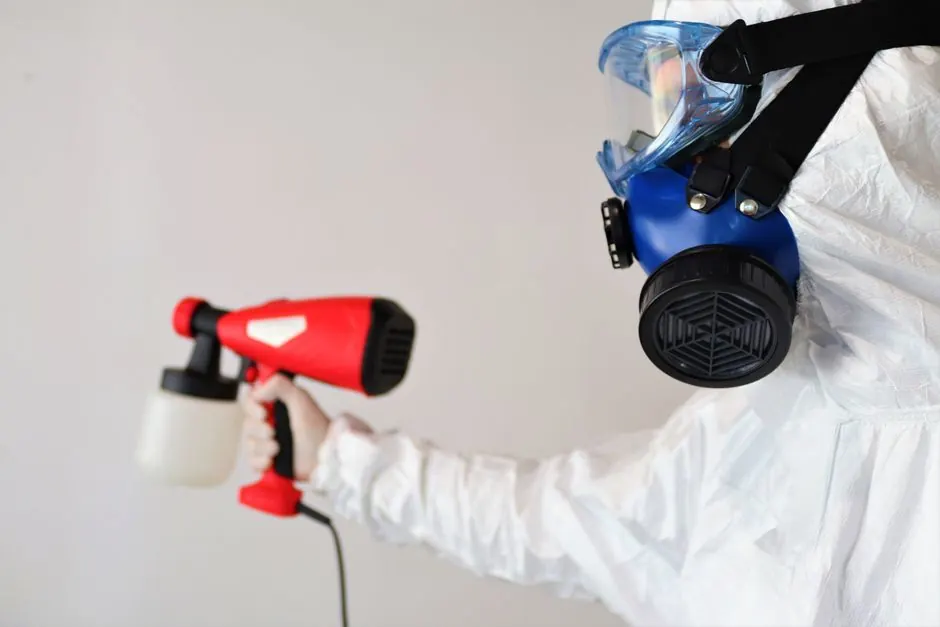
Mold Remediation in Texas is the process of containing mold growth, removing contaminated materials, and restoring safe indoor air quality. Local technicians use moisture meters and thermal imaging cameras to find hidden moisture behind drywall and baseboards. We set up polyethylene sheeting to isolate the work area, run air scrubbers with HEPA filters, and apply antimicrobial solution to affected surfaces. When we finish, you get a dry, clean space and a clear report of what was removed and why.
Texas homes and businesses deal with mold because of our humidity, storm seasons, and aging plumbing. A burst pipe, slab leak, or roof leak can leave wet subflooring and insulation that feeds mold within 24 to 48 hours. We handle mold remediation after water damage Texas homeowners call about every spring and summer. If you need emergency mold remediation in Texas, our team responds 24/7 and starts containment the same day.
Why Texas Property Owners Choose Professional Mold Remediation
Mold spreads fast in Texas heat and humidity. Here is what professional remediation gives you that DIY cleaning cannot.
Stops Mold at the Source
We do not just wipe visible mold. We find the moisture source with thermal imaging cameras and hygrometers, fix the underlying issue, and dry the structure below 15% moisture content. That is how you keep mold from returning within weeks.
Protects Indoor Air Quality
Air scrubbers with HEPA and carbon filters capture airborne spores while we work. We also use negative air pressure to keep spores from spreading to unaffected rooms. For families with allergies or asthma, this step matters as much as the removal itself.
Preserves Property Value
Unchecked mold can rot subflooring, warp baseboards, and stain drywall beyond repair. Remediating early protects your investment. We document everything with photos and moisture readings so you have a record for insurance or resale.
Works With Your Insurance
We prepare Xactimate-compatible estimates and document the loss with photos and moisture logs. That makes the claims process smoother for Texas mold remediation services. If your policy covers the water damage that caused the mold, we help you present a clear case.
Our Mold Remediation Process Step by Step
Every job follows the same disciplined sequence. Here is what you can expect from the first call to the final clearance check.
Inspection and Assessment
We start with a full inspection using moisture meters, thermal imaging cameras, and bore scopes. We check behind walls, under floors, and inside HVAC closets. You get a written scope of work with photos and moisture readings, usually within 24 hours of your call.
Containment Setup
We seal off the affected area with polyethylene sheeting and set up negative air pressure. Air scrubbers with HEPA filters run continuously to capture airborne spores. This keeps mold from spreading to clean rooms while we work.
Removal and Cleaning
We remove contaminated drywall, baseboards, and insulation, then apply antimicrobial solution to exposed framing. Porous materials that cannot be cleaned are bagged and disposed of properly. The whole removal phase usually takes one to three days depending on square footage.
Drying and Verification
Providers place air movers and dehumidifiers to dry the structure to below 15% moisture content. We check readings daily with hygrometers and adjust equipment as needed. Most drying phases run three to five days.
Final Clearance and Repair
Once moisture readings are normal, we do a final visual inspection and, if requested, coordinate third-party clearance testing. Then we repair drywall, baseboards, and paint so the space looks like nothing happened. You get a completion report with before-and-after photos.
Mold Remediation Expertise You Can Verify
Local technicians hold IICRC Mold Remediation Technician (MRT) and IICRC Water Damage Restoration Technician (WRT) certifications. We also carry EPA Lead-Safe Certification and OSHA 10-Hour Construction Safety training. That means we handle mold and the water damage that caused it under one licensed Texas Mold Remediation Contractor scope. We have worked in slab-on-grade homes, pier-and-beam houses, commercial warehouses, and school buildings across the state. Every job follows IICRC S520 standards for mold remediation.
- Provider technicians certified as IICRC Mold Remediation Technician (MRT) and Water Damage Restoration Technician (WRT)
- Providers are licensed Texas Mold Remediation Contractors with TDI-compliant documentation
- EPA Lead-Safe certified providers for pre-1978 homes common in older Texas neighborhoods
- Provider crews with OSHA 10-Hour Construction Safety training for commercial and industrial sites
- Experienced with slab leaks, burst pipes, sewage backups, and storm surge flooding
Why Texas Calls Texas Water Response First
The providers we refer combine certified training, real equipment, and local knowledge of Texas building stock. Here is what sets their mold cleanup service apart.
24/7 Emergency Response
Mold does not wait for business hours. We answer calls around the clock and dispatch crews for emergency mold remediation in Texas. In most metro areas, we have a technician on-site within two to four hours of your call.
IICRC-Certified Technicians
Every provider crew member holds current IICRC certifications in mold remediation and water damage restoration. Providers follow IICRC S520 protocols for containment, removal, and clearance. That is the standard insurance adjusters and health departments recognize.
Full Documentation for Claims
We provide moisture maps, photo logs, and Xactimate-compatible estimates. That makes filing a claim for professional mold remediation Texas services easier. You get a clear record of what was wet, what was removed, and what was dried.
Residential and Commercial Scope
We handle residential mold remediation Texas homeowners need and commercial mold remediation Texas property managers require. From a 200-square-foot bathroom to a 20,000-square-foot warehouse, we scale containment and equipment to the job.
What Our Mold Remediation Service Includes
Every mold remediation project includes inspection, containment, removal, cleaning, and drying. We also document the work for insurance and provide a final report. Reconstruction like drywall replacement and painting is available as an add-on if you want us to handle the full repair.
What's Included
Full Mold Inspection
We use moisture meters, thermal imaging cameras, and bore scopes to find mold and the moisture feeding it. You get a written report with photos and moisture readings for every affected area.
Containment and Air Scrubbing
We seal the work area with polyethylene sheeting and run air scrubbers with HEPA filters under negative pressure. This keeps spores from spreading to clean rooms during removal.
Contaminated Material Removal
We remove mold-damaged drywall, baseboards, insulation, and subflooring. Porous materials that cannot be cleaned are bagged and disposed of according to Texas regulations.
Antimicrobial Treatment
After removal, we apply antimicrobial solution to exposed framing and surfaces. This kills remaining spores and helps prevent regrowth once the area is dry.
Structural Drying
Providers place air movers and dehumidifiers to dry the structure below 15% moisture content. We check readings daily with hygrometers and adjust equipment until the space is dry.
Final Documentation
You receive a completion report with before-and-after photos, moisture logs, and a scope of work. This documentation supports insurance claims and gives you a record of the remediation.
Mold Problems We Solve for Texas Property Owners
Mold shows up in different ways depending on the water source and the building. Here are the most common problems we fix for Texas mold remediation customers.
Musty odor with no visible mold
Hidden mold behind drywall or under flooring can spread through wall cavities and affect indoor air quality. The smell gets worse over time and can trigger allergies.
We use thermal imaging cameras and bore scopes to find the moisture source without tearing out walls unnecessarily. Once we locate the growth, we contain it, remove affected materials, and dry the cavity to prevent regrowth.
Mold after a burst pipe or slab leak
Water trapped in wall cavities or under slab-on-grade floors creates ideal conditions for mold within 24 to 48 hours. Ignoring it leads to structural rot and higher repair costs.
We extract standing water, remove wet drywall and insulation, and dry the framing with air movers and dehumidifiers. Then we apply antimicrobial solution and verify moisture levels before closing up the walls.
Recurring mold on bathroom ceilings
Poor ventilation and high humidity let mold return every few months. Repeated cleaning only removes surface growth while spores stay in the drywall and paint.
We remove moldy drywall, treat the framing, and dry the area. We also check the exhaust fan and recommend humidity control so the mold does not come back. Most bathroom jobs finish in two to three days.
Mold in commercial buildings after storm flooding
Floodwater introduces contaminants and moisture into large areas fast. Without professional remediation, mold can spread through HVAC systems and affect multiple floors.
We scale containment and air scrubbing to the building size, remove contaminated materials, and dry the structure to IICRC standards. We document everything for property managers and insurance adjusters.
When to Call for Mold Remediation in Texas
You see dark spots on drywall or baseboards after a recent leak
We inspect with moisture meters and thermal cameras to confirm mold and find the moisture source. Then we contain the area, remove affected materials, and dry the structure. Most jobs of this size take three to five days.
You get a dry, mold-free wall and a report showing moisture levels returned to normal.
Your home smells musty but you cannot find the source
We use bore scopes and infrared thermometers to check inside walls, ceilings, and HVAC closets. Once we locate the growth, we remediate and dry the area. We also identify the water source so it does not happen again.
The musty odor goes away and you know exactly what caused it.
A tenant reports mold in a rental property
We handle residential mold remediation Texas landlords need, including documentation for tenant communication and insurance. We contain the area, remove mold, and dry the structure. You get a completion report for your records.
The unit is safe to occupy and you have paperwork to show the work was done properly.
Mold appeared after a sewage backup or storm flooding
We treat the area as contaminated, remove porous materials, and disinfect surfaces with antimicrobial solution. Then we dry the structure and verify moisture levels. We coordinate with your insurance adjuster if needed.
The space is clean, dry, and ready for reconstruction.
Tools and Methods We Use for Mold Remediation
Tools & Equipment
Moisture meter and hygrometer
We use these to measure moisture content in drywall, wood, and air. Readings guide our drying plan and tell us when the structure is safe.
Thermal imaging camera
Thermal cameras show temperature differences that reveal hidden moisture behind walls and under floors without tearing everything out.
Air scrubber with HEPA filters
Air scrubbers capture airborne mold spores and particles during removal. We run them continuously under negative pressure to protect clean areas.
Dehumidifier and air mover
We use commercial dehumidifiers and air movers to dry framing, subflooring, and drywall. Drying to below 15% moisture content stops mold growth.
Bore scope and infrared thermometer
A bore scope lets us see inside wall cavities without major demolition. Infrared thermometers help us check surface temperatures for moisture clues.
Methods
IICRC S520 Mold Remediation Standard
We follow the IICRC S520 standard for containment, removal, cleaning, and clearance. This is the benchmark insurance companies and health departments use to evaluate mold work.
Negative air pressure containment
We seal the work area with polyethylene sheeting and create negative pressure so air flows into the containment, not out. This keeps spores from spreading to other rooms.
Moisture mapping and daily monitoring
We map moisture readings at the start and check them daily with hygrometers. This tells us when the structure is dry and when we can remove equipment.
Antimicrobial application
After removing moldy materials, we apply antimicrobial solution to exposed framing and surfaces. This kills remaining spores and helps prevent regrowth.
How Mold Remediation Runs Across Texas
Mold remediation in Texas looks different depending on where you are. Along the Gulf Coast in Houston, Corpus Christi, and Brownsville, humidity stays high most of the year, so we often run dehumidifiers longer and check HVAC systems for mold. In North Texas cities like Plano, Frisco, and McKinney, slab-on-grade foundations and quick temperature swings mean slab leaks and burst pipes are common mold sources. West Texas areas like El Paso, Midland, and Lubbock deal with dry heat but still see mold after evaporative cooler leaks and roof damage. We adjust containment, drying equipment, and timelines to match local conditions. If you need mold remediation after water damage Texas storms caused, we respond 24/7 and start containment the same day.
Service Areas
Newer construction with tight building envelopes can trap moisture from slab leaks. We use thermal cameras to find hidden moisture before mold spreads.
Older rental housing and rapid turnover mean roof leaks and appliance overflows often go unnoticed. We inspect attics and utility closets carefully.
Historic homes with pier-and-beam foundations are prone to crawlspace moisture. We check subflooring and joists for mold after every water event.
Mixed-use developments with shared walls can spread moisture between units. We coordinate with property managers to contain mold before it crosses units.
Local Considerations
High humidity along the Gulf Coast
Mold grows faster and drying takes longer. We run dehumidifiers for extra days and check HVAC coils for mold.
Expansive clay soils in North and Central Texas
Soil movement causes slab leaks and foundation water intrusion. We inspect slab edges and under flooring for hidden moisture.
Storm season from April through October
Heavy rain and flooding lead to roof leaks and storm surge flooding. We keep emergency crews ready for same-day response.
Older housing stock in many Texas cities
Pre-1978 homes may have lead paint, so we follow EPA Lead-Safe practices during removal and repair.
Plano Bathroom Mold After Slab Leak
A slow slab leak under a Plano bathroom soaked the subfloor and baseboards for weeks. Black mold covered two square feet of drywall and the musty smell filled the hallway. Moisture readings showed 28% content in the framing.
We contained the bathroom, removed moldy drywall and baseboards, and dried the framing to 12% moisture content in four days. Antimicrobial solution was applied, and new drywall and baseboards were installed. The hallway smell was gone.
Maintenance & Follow-up
We recommended checking under-sink cabinets monthly and keeping indoor humidity below 55%. A moisture meter reading every few months can catch a new leak early.
A roof leak in a Killeen duplex went unnoticed until the tenant reported a musty smell. Mold had grown on ceiling drywall and insulation in two closets. The landlord needed documentation for insurance.
We removed the moldy drywall and insulation, treated the framing, and dried the closets in three days. Moisture readings returned to 11%. We provided a photo log and Xactimate estimate for the claim.
Maintenance & Follow-up
The landlord now schedules annual roof inspections and asks tenants to report leaks immediately. Fixing roof issues fast is the best way to prevent mold.
Storm flooding left two inches of water in an Austin warehouse. Within 48 hours, mold appeared along baseboards and on stored cardboard. The property manager needed fast remediation to reopen.
We extracted the water, set up containment, and ran air scrubbers for five days. Moldy materials were removed, and the concrete was treated and dried. The warehouse passed clearance and reopened on day six.
Maintenance & Follow-up
We recommended sealing exterior cracks and installing a sump pump. Quarterly moisture checks in flood-prone areas help catch problems early.
How Much Does Mold Remediation Cost in Texas?
Typical 2026 pricing for mold remediation in Texas ranges from $1,500 to $6,000 for residential jobs, with most homeowners paying around $2,800. Commercial projects and crawlspace work cost more. The final price depends on square footage, mold type, access difficulty, and whether reconstruction is needed. We provide a written estimate after inspection so you know the full scope before work begins. Our goal is mold remediation in Texas without cutting corners on containment or drying.
Pricing Factors
Square footage affected
A 50-square-foot bathroom costs far less than a 500-square-foot basement. We measure the affected area during inspection and price by the square foot.
Mold type and severity
Black mold and toxic molds require more containment and protective equipment. Surface mold on tile is easier to clean than mold inside wall cavities.
Access difficulty
Crawlspaces, attics, and behind built-in cabinets take longer to contain and remove. Limited access means more labor and sometimes special equipment.
Reconstruction needs
If drywall, baseboards, or flooring must be replaced, that adds to the cost. We can include repair in the same estimate so you see the full picture.
Insurance coverage
If your policy covers the water damage that caused the mold, your out-of-pocket cost drops. We provide Xactimate estimates to support your claim.
Investment Range
$1,500 - $6,000 for most residential jobs; commercial projects priced by scope
Based on project scope
Value You Get
Proper remediation protects your health, your property value, and your ability to sell or rent the space. Cutting corners on containment or drying usually means mold returns within months, costing more the second time.
How long does mold remediation take in Texas?
Most jobs take three to seven days from containment to final drying. Small bathrooms or closets can finish in two to three days. Larger losses with structural drying may run seven to ten days. We give you a day-by-day schedule after the initial inspection so you can plan around the work.
Does insurance cover mold remediation in Texas?
Texas homeowners policies usually cover mold remediation when it results from a covered peril like a burst pipe or appliance overflow. They typically exclude mold from long-term leaks or flooding. We document the loss with photos and moisture readings and provide Xactimate estimates to support your claim. Check your policy or ask your adjuster for specifics.
What causes mold in Texas homes?
Mold in Texas homes usually starts with moisture from a burst pipe, slab leak, roof leak, or sewage backup. Our humidity and warm temperatures make it worse. Mold can begin growing within 24 to 48 hours of a water event. Keeping indoor humidity below 55% and fixing leaks quickly are the best prevention steps.
Licensed, Certified, and Documented
Certifications
Reviews
They found mold behind our kitchen cabinets that we did not know was there. The crew was on time, explained every step, and left the house clean. The moisture readings they showed us at the end were a nice touch.
We called after a pipe burst in our Plano home. They extracted the water, dried everything, and then handled the mold remediation. One team for the whole job made it easy.
Professional from the first call. They provided a written estimate, showed up when they said they would, and documented everything for our insurance. The mold has not come back.
Related Services That Support Mold Remediation
Water Damage Restoration
Mold almost always starts with water damage. Our restoration team extracts water, dries the structure, and repairs materials so mold does not get a foothold. We handle both the water loss and any mold that follows under one scope.
Water Damage RestorationEmergency Water Removal
When a pipe bursts or a storm floods your home, every hour counts. We remove standing water fast, which cuts the window for mold growth. Emergency water removal is often the first step before mold remediation begins.
Emergency Water RemovalWater Extraction
We use truck-mounted water extraction units and wet/dry vacuums to pull water from carpet, padding, and hard surfaces. Removing water quickly reduces the moisture that feeds mold. This is a critical first step for any mold job.
Water ExtractionFlood Damage Cleanup
Floodwater carries silt, bacteria, and contaminants that make mold worse. We clean, sanitize, and dry flooded areas to IICRC standards. If mold has already started, we fold remediation into the same project.
Flood Damage CleanupWater Mitigation
Mitigation means stopping the water source and limiting damage before it spreads. We fix the source, contain the moisture, and start drying. That prevents mold from taking hold in walls, floors, and ceilings.
Water MitigationBurst Pipe Cleanup
A burst pipe can dump hundreds of gallons into your home in minutes. We shut off the water, extract it, and dry the structure. Then we check for mold growth in wall cavities and subflooring before we close anything up.
Burst Pipe CleanupSewage Backup Cleanup
Sewage backups are Category 3 water, which means they carry harmful bacteria. We remove contaminated materials, disinfect the area, and dry it out. Mold remediation often follows because sewage creates ideal conditions for growth.
Sewage Backup CleanupStructural Drying
We use air movers, dehumidifiers, and hygrometers to dry framing, subflooring, and drywall to safe moisture levels. Proper structural drying is the best way to prevent mold after a water loss. We monitor readings daily until the structure is dry.
Structural DryingWater Damage Repair
After remediation and drying, we repair drywall, baseboards, paint, and flooring. You get a finished space that looks like the damage never happened. We handle both the remediation and the rebuild so you deal with one team.
Water Damage RepairWhat Texas Customers Say About Our Mold Remediation
Real experiences from customers who chose our Mold Remediation services
"We found black mold behind the baseboards after a slow leak from the dishwasher. Texas Water Response came out the same day, set up containment, and had the drywall removed by the next afternoon. They showed me moisture readings every day and explained what they were doing. The final report helped with our insurance claim."
Maria G.
Homeowner, Plano
"A tenant reported a musty smell in a duplex after a roof leak. The team inspected with thermal cameras, found mold in two closets, and remediated in four days. They coordinated with the tenant and gave me Xactimate paperwork for the owner. No complaints since."
Darnell W.
Property Manager, Killeen
"After a slab leak, we had mold in the hallway and bathroom. Texas Water Response handled the remediation and the drying. They used air scrubbers and dehumidifiers for five days and checked moisture with a hygrometer each visit. The house smells clean and the drywall repair looks original."
Priya S.
Homeowner, Austin
Get Mold Remediation in Texas Started Today
Mold spreads fast in Texas heat. Call Texas Water Response at (512) 555-0147 for a same-day inspection. Local IICRC-certified technicians will contain the growth, remove contaminated materials, and dry your property so mold does not come back.