Flood Damage Cleanup in Texas That Starts Within the Hour
independent providers extract, dry, and restore homes and businesses statewide
Flood Damage Cleanup in Texas means stopping water at the source, extracting what is standing, and drying the structure before mold takes hold. Texas Water Response handles residential flood damage cleanup Texas homeowners call about after storms, burst pipes, and sewage backups. We answer 24/7, dispatch across the state, and document everything for your insurance claim.
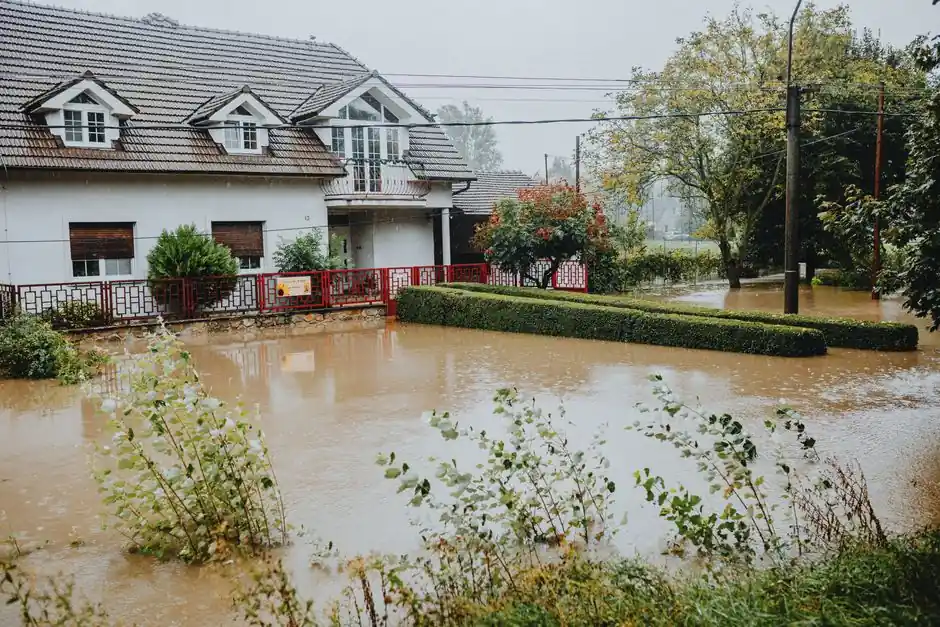
What Flood Damage Cleanup in Texas Actually Involves
Flood Damage Cleanup in Texas is the emergency water damage restoration process that removes standing water, dries structural materials, and returns a flooded property to a safe, pre-loss condition. It starts with a moisture meter and thermal imaging camera survey to map how far water traveled behind drywall and under subflooring. From there, our crews extract with truck-mounted water extraction units, set air movers and dehumidifiers, and monitor with a hygrometer until readings match a dry standard. Antimicrobial solution goes down before any rebuild.
Texas properties flood for reasons that have nothing to do with hurricanes. A burst pipe behind a Carrollton kitchen wall, a slab leak under an Austin bungalow, a roof leak after a hail event in Amarillo, or an appliance overflow in a Houston townhome all create the same 24-to-48-hour window before mold growth begins. We run Texas flood water cleanup as a single coordinated job, from extraction through structural drying, so you are not managing three contractors while your floors cup and your baseboards swell.
Why Texas Property Owners Call Us First
Flooding gets worse by the hour. Every benefit below is built around shortening the time your structure stays wet, because that is what determines whether you replace drywall or just dry it.
Faster Extraction, Less Tear-Out
Truck-mounted extraction pulls hundreds of gallons in the first pass, and our crews are on site within 60 to 90 minutes across most Texas metros. The faster water leaves, the more drywall, baseboards, and subflooring we can save instead of demolish. On a typical 1,200-square-foot affected area, that difference is often $3,000 to $8,000 in avoided rebuild.
Documentation Your Adjuster Accepts
We photograph every affected room, log moisture readings room by room, and build the scope in Xactimate, the estimating platform most Texas carriers use. That means your claim moves through review without a back-and-forth over line items. You get a copy of everything we send your adjuster, so you are never guessing what was filed.
Mold Stopped Before It Starts
Mold growth after water damage can begin in 24 to 48 hours in warm, humid Texas conditions. We apply antimicrobial solution during extraction, run air scrubber filters with HEPA and carbon stages, and keep drying equipment running until humidity readings hit target. If mold already took hold, our IICRC Mold Remediation Technician crews handle containment and removal under Texas Mold Remediation Contractor License rules.
One Crew From Flood to Fixed
We do not hand you off after the drying phase. The same company handles water extraction, structural drying, mold remediation, and the water damage repair Texas homeowners need afterward, drywall, texture, paint, flooring, and trim. One point of contact, one scope, one warranty on the finished work.
How Our Flood Cleanup Process Works
You will know what is happening at every stage. Here is the exact sequence our crews follow, from the first phone call to the final moisture reading.
Call and Dispatch
You call, we ask three questions, water source, affected area, and whether power is safe, then dispatch the nearest crew. Most Texas metros see a technician within 60 to 90 minutes. We arrive with extraction equipment loaded, not to inspect and schedule a return trip.
Inspect and Map
We walk the property with a moisture meter, thermal imaging camera, and bore scope to find water you cannot see, behind walls, under cabinets, inside ceiling cavities. You get a written scope with room-by-room readings before work starts, so you know exactly what we found and what we recommend.
Extract and Remove
Truck-mounted water extraction units pull standing water fast. Where water is contaminated, sewage backup, storm surge flooding, or category 3 water, we remove and bag saturated porous materials instead of trying to dry them. This stage usually takes two to six hours on a residential job.
Dry and Monitor
We set air movers and dehumidifiers sized to the cubic footage, then check readings daily with a hygrometer and infrared thermometer. Drying typically runs three to five days. We adjust equipment placement as materials dry so you are not paying for idle machines.
Verify and Repair
Once every reading matches the dry standard, we remove equipment, document the final numbers, and hand off to our repair crew. Drywall, baseboards, subflooring, waterproof sealant, and paint go back in. You get a final walkthrough and a written warranty on the work.
Flood Damage Restoration Expertise
Local technicians hold IICRC Water Damage Restoration Technician (WRT) and IICRC Applied Structural Drying (ASD) certifications, and we carry EPA Lead-Safe Certification and OSHA 10-Hour Construction Safety training on every crew. We work to the IICRC S500 standard for water damage and the S520 standard for mold, which is the same language your insurance adjuster uses. We have dried everything from single-room appliance overflow jobs to multi-building commercial losses, and we bring that same process discipline to a 400-square-foot bathroom as we do to a 40,000-square-foot warehouse.
- Independent providers send IICRC WRT- and ASD-certified technicians to every flood cleanup crew
- EPA Lead-Safe certified providers for pre-1978 homes common in older Texas neighborhoods
- Providers carry a Texas Mold Remediation Contractor License and TDI licensed mold assessor support
- Xactimate estimating used by most Texas insurance carriers for claim scopes
- OSHA 10-Hour Construction Safety training for every provider field technician
Why Texas Water Response Leads in Flood Damage Cleanup
Texas Water Response is a free referral service, not a flood cleanup company. Here is what the providers we refer do differently, and why it matters when your floors are underwater.
Statewide Provider Network
Our provider network covers all of Texas, not one office dispatching from a single metro. That is how callers in Austin, Amarillo, Carrollton, Houston, Dallas, and the surrounding areas reach a local provider fast. When a storm hits one region hard, providers from unaffected areas can help instead of putting you on a waiting list.
Insurance-First Documentation
Every job gets photo documentation, moisture mapping, and an Xactimate scope built to carrier standards. We have worked enough Texas claims to know what adjusters question, so we front-load that evidence. You get copies of everything, and we talk directly with your adjuster when questions come up.
Drying Standards, Not Guesswork
We dry to the IICRC S500 standard using calibrated moisture meters, thermal imaging cameras, and hygrometers, and we log readings daily. Equipment comes out when the numbers say the structure is dry, not when a calendar says day three. That protects you from mold growth after water damage and from a failed re-inspection.
Full Repair Capability
Flood damage repair Texas homeowners need after drying, drywall, texture, paint, flooring, trim, and waterproof sealant, is handled by our own crews. You are not left searching for a contractor after the drying equipment leaves. One company, one warranty, one number to call if anything needs attention.
What Flood Damage Cleanup Includes
Every flood cleanup job we run covers the core scope below. Add-ons like mold remediation, sewage decontamination, or full rebuild are quoted separately once we see the property, and we tell you before any extra work begins.
What's Included
Emergency Water Extraction
Truck-mounted and portable extraction units remove standing water from flooring, carpet, and low areas. We work room by room and verify with moisture meters that no standing water remains before drying equipment is placed.
Moisture Mapping and Documentation
A moisture meter, thermal imaging camera, and bore scope survey maps exactly where water traveled. You get room-by-room readings and photos, and we build the scope in Xactimate for your insurance carrier.
Antimicrobial Treatment
Antimicrobial solution is applied to affected surfaces after extraction and material removal. This is a standard step on every flood job, not an upsell, and it is what keeps mold from colonizing damp drywall and framing during the drying phase.
Structural Drying and Monitoring
Air movers and dehumidifiers are sized to the affected cubic footage and adjusted as materials dry. We log hygrometer and infrared thermometer readings daily and remove equipment only when the structure meets the dry standard.
Debris and Material Removal
Saturated carpet, pad, drywall, baseboards, and subflooring that cannot be saved are removed, bagged, and hauled off. On category 3 jobs, sewage backup or storm surge flooding, contaminated porous materials are disposed of rather than dried.
Final Verification and Report
Before we leave, every affected area is re-checked against the dry standard and you receive a written summary with final readings, photos, and equipment logs. That report is what your adjuster and your repair crew both work from.
Flood Problems We Solve for Texas Properties
Most flood calls we take fall into a handful of patterns. If any of these sound like your situation, the sooner we start, the more of your property we can save.
Standing water spreading into rooms that were dry an hour ago
Water wicks up drywall and into subflooring fast, and every hour it sits raises the odds of mold growth after water damage. Carpet pad and baseboards that could have been dried often have to be replaced instead.
We extract immediately with truck-mounted units, set containment to stop the spread, and map the moisture boundary with a thermal imaging camera so we know exactly where to focus drying equipment.
Sewage backup in a ground-floor bathroom or laundry room
Sewage is category 3 water carrying bacteria and pathogens. Drying it in place spreads contamination through the HVAC system and into adjacent rooms, and it creates a health hazard for anyone in the building.
We treat it as contaminated from the first minute: removal and bagging of porous materials, antimicrobial solution and disinfection of hard surfaces, then drying with air scrubber filters running to protect air quality.
Insurance adjuster questioning the scope or pushing back on the claim
Without moisture readings, photos, and a carrier-standard estimate, claims get delayed or partially denied. You end up covering costs that should have been paid and waiting weeks for a resolution.
We document everything in Xactimate, the platform most Texas carriers use, and provide room-by-room moisture logs and photos. We talk directly with your adjuster when questions come up so you are not stuck in the middle.
Musty smell and visible mold weeks after a flood was supposedly dried
Incomplete drying leaves moisture inside wall cavities and under flooring. Mold colonizes in 24 to 48 hours and spreads behind drywall, and by the time you smell it, remediation is a much larger job than drying would have been.
We dry to the IICRC S500 standard with daily hygrometer readings, and if mold is already present, our IICRC Mold Remediation Technician crews set containment and remove it under Texas Mold Remediation Contractor License requirements.
When to Call for Flood Damage Cleanup
A pipe bursts overnight in a Carrollton home while the family is asleep, and water reaches the hallway and two bedrooms before anyone notices.
We extract standing water from carpet and hard flooring, remove saturated pad, and place air movers and dehumidifiers in each affected room. A thermal imaging camera confirms moisture did not travel into the adjacent closet walls.
Drying completes in four days, carpet pad is replaced, and the family is back in the bedrooms with no mold and a documented claim for their carrier.
A commercial building in Amarillo takes on water through a roof leak after a hail storm, soaking ceiling tiles and carpet across an open office area.
Our commercial flood damage cleanup Texas crews work after hours to avoid disrupting business, extract from carpet and hard surfaces, remove damaged ceiling tiles, and run air scrubber filters because of the musty odor.
The office reopens the next morning with drying equipment in place, and final readings are logged for the property manager's insurance file.
An Austin bungalow with a slab leak shows warm spots on the floor and a rising water bill, but no visible standing water yet.
We use a thermal imaging camera and moisture meter to trace the leak path, extract water from under the flooring, and dry the slab and subflooring. We coordinate with a licensed plumber to repair the slab leak before drying finishes.
The floor is saved instead of replaced, the leak is fixed, and the homeowner avoids a mold problem that would have shown up within weeks.
Tools and Methods We Use
Tools & Equipment
Thermal imaging camera
Finds water behind drywall, under flooring, and inside ceiling cavities that a visual inspection misses. It is how we map the true moisture boundary before placing equipment.
Moisture meter and hygrometer
Measures moisture content in structural materials and relative humidity in the air. We log readings daily and use them to decide when drying is actually complete.
Truck-mounted water extraction unit
Pulls hundreds of gallons of standing water in a single pass. Faster extraction means less material removal and a shorter drying timeline.
Dri-Eaz and Phoenix Restoration Equipment air movers
High-velocity air movers that evaporate moisture from surfaces and push humid air toward dehumidifiers. We size the count to the affected cubic footage.
Legend Brands and Dri-Eaz dehumidifiers
Low-grain refrigerant and desiccant dehumidifiers that pull moisture out of the air so wet materials can release water faster. Essential in Texas humidity.
Abatement Technologies air scrubber filters
HEPA and carbon filtration that captures mold spores, dust, and odors during drying and any remediation work. Standard on category 3 and mold jobs.
Bore scope and infrared thermometer
Lets us look inside wall cavities without opening them and check surface temperatures to confirm equipment is reaching every affected area.
Methods
IICRC S500 water damage standard
The industry standard for classifying water, setting drying goals, and verifying completion. We follow it on every job, which is the same language your insurance adjuster uses when reviewing a claim.
IICRC S520 mold remediation standard
Applied whenever mold is present or suspected. It governs containment, removal, and clearance verification, and it is the standard our Texas Mold Remediation Contractor License work is built around.
Xactimate estimating
The estimating platform most Texas insurance carriers use. We build every claim scope in Xactimate so line items match what your adjuster expects, which shortens review time and reduces disputes.
Daily moisture monitoring
We log hygrometer and moisture meter readings every day and adjust equipment placement as materials dry. Equipment comes out when the numbers say the structure is dry, not on a fixed schedule.
Antimicrobial application before rebuild
Antimicrobial solution goes on affected surfaces after extraction and material removal, before any drywall or flooring goes back in. It is a standard step on every flood job we run.
How Flood Damage Cleanup Runs in Texas
Service Areas
Newer construction with tight building envelopes, which means water from a burst pipe has nowhere to escape and spreads into adjacent rooms fast. We map with thermal imaging before placing equipment.
Older commercial buildings with flat roofs and aging drain systems. Hail and wind events push water through roof penetrations, so we check ceiling cavities first.
A mix of mid-century homes and newer builds, many on slab foundations. Slab leaks and foundation water intrusion are common calls, and we trace them with a thermal imaging camera.
Historic bungalows with pier-and-beam construction. Water travels under the house and into subflooring, so we check crawl spaces and use bore scopes to inspect joists.
Local Considerations
Gulf Coast humidity that slows structural drying
Ambient humidity above 70 percent means dehumidifiers have to work harder and drying timelines stretch by a day or more. We size equipment to the actual conditions, not a generic formula.
Flash flooding in Central Texas
Storm water can enter a home in minutes and often carries contaminants. We treat these jobs as category 2 or 3 water, which changes what we remove versus what we dry.
Slab-on-grade construction across North Texas suburbs
Slab leaks and foundation water intrusion do not always show standing water. We rely on thermal imaging and moisture meters to find the problem before it reaches the flooring.
Hail and wind events in the Panhandle
Roof damage lets water into attics and ceiling cavities, which can go unnoticed for days. We inspect ceilings and attic spaces on every Panhandle flood call.
Burst Pipe in an Austin Bungalow
A supply line failed behind a bathroom wall overnight and water spread through two bedrooms and a hallway. Carpet was soaked, baseboards were swelling, and moisture had reached the subflooring. The homeowner had not yet called their insurance.
We extracted 180 gallons, removed saturated carpet pad, and dried the structure to standard in four days. Baseboards were saved, subflooring tested dry, and the claim was documented in Xactimate for the carrier.
Maintenance & Follow-up
We recommended a water alarm under the bathroom sink and an annual inspection of supply lines. Both are inexpensive steps that catch a slow leak before it becomes a flood.
A main line blockage sent sewage into a ground-floor bathroom and adjacent hallway of a rental property. Vinyl flooring was lifting, drywall was wicking contaminated water, and the tenant had already moved out temporarily.
We removed and disposed of contaminated materials, disinfected hard surfaces with antimicrobial solution, and dried the remaining structure in five days. The unit passed a clearance check and was re-rented within three weeks.
Maintenance & Follow-up
The property manager now schedules annual sewer line inspections. On older Carrollton properties, root intrusion and line deterioration are the most common causes of backup.
A hail storm damaged roofing membrane and water ran into ceiling tiles and carpet across an open office area. The musty smell was noticeable by the next morning, and the business could not afford to close.
Our commercial flood damage cleanup Texas crew worked overnight, extracted from carpet, removed damaged ceiling tiles, and ran air scrubbers. Drying finished in three days and the office never closed.
Maintenance & Follow-up
We advised a post-storm roof inspection after every hail event and replacement of the damaged ceiling tiles with moisture-resistant panels in the affected zone.
Flood Damage Cleanup Pricing
Typical 2026 pricing for flood damage cleanup in Texas runs $1,800 to $6,500 for a residential job, with the average around $3,200. Small single-room jobs with clean water can land near $1,200, while large losses with contaminated water or commercial square footage go higher. We give you a written scope and price before work starts, and when the loss is covered, your out-of-pocket cost is usually just your deductible. We bill most Texas carriers directly.
Pricing Factors
Water category
Clean water from a supply line is the least expensive to handle. Category 2 gray water and category 3 black water, sewage backup or storm surge flooding, require removal and disposal of porous materials plus disinfection, which adds labor and disposal cost.
Affected square footage
Price scales with the area that needs extraction, drying, and monitoring. A single bathroom is a different job than 1,500 square feet of open floor plan. We measure during the inspection and price to the actual affected area.
Materials affected
Carpet and pad are usually removed and replaced. Hardwood may be salvageable with specialty drying or may need replacement. Drywall wicks water upward and often has to be cut out above the water line. Material type drives both drying time and repair cost.
Drying duration
Most jobs dry in three to five days. Thick materials, plaster walls, or dense hardwood can push that to seven or more, and each additional day means equipment rental and monitoring time on the invoice.
Mold presence
If mold is already growing, containment and remediation are added to the scope. That work falls under our Texas Mold Remediation Contractor License and is priced separately from the flood cleanup itself.
Repair scope
Drying and repair are separate phases. Drywall, texture, paint, flooring, and trim are quoted after the structure is dry and we know exactly what needs to go back in. You approve the repair scope before we start.
Investment Range
$1,200 - $12,000+ depending on water category, square footage, and repair scope
Based on project scope
Value You Get
The cost of flood cleanup is almost always less than the cost of doing nothing. Mold remediation, structural repair, and replacing a floor that could have been dried all cost more than the cleanup itself. We price to the actual scope and document everything for your carrier.
What does flood damage cleanup include in Texas?
It includes water extraction, removal of unsalvageable materials, antimicrobial treatment, structural drying with air movers and dehumidifiers, daily moisture monitoring, and a final dry-standard verification. We also document the loss for your insurance claim and handle the repair work afterward. If mold is present, containment and remediation are added under our Texas Mold Remediation Contractor License.
How long does flood damage cleanup take in Texas?
Extraction usually takes two to six hours. Structural drying runs three to five days on a typical residential job, and longer for thick materials like hardwood or plaster. Total time from first call to finished repairs is often two to three weeks. We give you a day-by-day expectation after the initial inspection, and we update you if readings change the timeline.
Does insurance cover flood damage cleanup in Texas?
Most homeowners policies cover sudden and accidental water damage, like a burst pipe or water heater failure, but standard policies exclude rising floodwater. That requires a separate flood policy through the National Flood Insurance Program or a private carrier. We document every job to carrier standards and bill most Texas insurers directly, so you are not fronting the full cost.
Licensed, Certified, and Reviewed
Certifications
Reviews
Called at 11 p.m. after our water heater failed and flooded the garage and laundry room. A crew was at the house in just over an hour. They extracted, set up drying equipment, and gave us a clear timeline. The insurance paperwork was handled without us having to chase anyone.
We had a slab leak in our Austin home and did not know where the water was coming from. They found it with a thermal camera, dried everything out, and coordinated with our plumber. Honest pricing and no pressure to add services we did not need.
Our Amarillo office flooded from a roof leak and they worked overnight so we could open the next morning. The moisture logs they provided were exactly what our adjuster wanted. Professional from start to finish.
Sewage backup in our Carrollton rental and they treated it as the health hazard it was. Removed everything contaminated, disinfected, and dried the unit. Passed clearance on the first try and we re-rented it three weeks later.
Related Services
Water Damage Restoration
The full-scope service that flood cleanup feeds into. Once water is out and the structure is dry, restoration returns your home or business to pre-loss condition, drywall, flooring, trim, and paint. We handle the entire sequence under one scope.
Water Damage RestorationEmergency Water Removal
When water is still rising, this is the first call. Truck-mounted extraction units pull hundreds of gallons fast, and we set containment to stop water from spreading into unaffected rooms. Most Texas metros see a crew within 60 to 90 minutes.
Emergency Water RemovalWater Extraction
The physical removal step inside flood cleanup. We use truck-mounted and portable extraction units matched to the water category and flooring type, then verify with moisture meters that no standing water remains before drying equipment goes down.
Water ExtractionWater Mitigation
Mitigation is everything we do to limit damage before rebuild: extraction, material removal, antimicrobial application, and equipment placement. On a flood job, mitigation is the phase that determines how much of your structure survives.
Water MitigationBurst Pipe Cleanup
A burst pipe can dump hundreds of gallons into walls and ceilings before you notice. We locate the break, extract the water, dry the cavity, and document the loss. If the pipe needs repair, we coordinate that before drying begins.
Burst Pipe CleanupSewage Backup Cleanup
Sewage backup is category 3 water and requires removal, not drying. We bag and dispose of contaminated porous materials, apply antimicrobial solution, and disinfect hard surfaces. This is a different process than a clean-water flood, and we treat it that way.
Sewage Backup CleanupStructural Drying
Air movers and dehumidifiers sized to your cubic footage, monitored daily with a hygrometer until readings match the dry standard. This is the phase that prevents mold growth after water damage and protects your rebuild from callbacks.
Structural DryingMold Remediation
When mold is already growing, containment goes up before anything is disturbed. Our IICRC Mold Remediation Technician crews remove affected materials, treat surfaces, and verify clearance under Texas Mold Remediation Contractor License requirements.
Mold RemediationWater Damage Repair
The rebuild phase: drywall, baseboards, subflooring, waterproof sealant, texture, and paint. Our own crews handle it, so you are not left finding a contractor after the drying equipment leaves. One warranty covers the finished work.
Water Damage RepairReviews From Texas Flood Cleanup Jobs
Real experiences from customers who chose our Flood Damage Cleanup services
"A supply line burst behind our kitchen wall at 2 a.m. and water was already in the hallway by the time we woke up. The crew arrived in about 75 minutes, pulled the water, and had drying equipment running before sunrise. They caught moisture behind the cabinets with a thermal camera that I never would have found. Four days later everything tested dry and the repair crew patched the drywall."
Marisol R.
Homeowner, Austin
"We had a slab leak flood three units in one building. Texas Water Response handled all three at once, documented each unit separately for our insurance, and kept the tenants informed. The Xactimate scope matched what our adjuster expected, so the claim went through without a fight. That alone saved us weeks."
Dale W.
Property Manager, Carrollton
"A roof leak after a hail storm soaked our office ceiling tiles and carpet overnight. They extracted the water, removed the damaged tiles, and set up air scrubbers because of the musty smell. The moisture readings came down on schedule and they gave us a written log for our records. Professional, fast, and no surprise charges."
Priya N.
Business Owner, Amarillo
Get Flood Damage Cleanup in Texas Started Now
Water spreads through walls and under floors within hours, and mold follows in 24 to 48. Call Texas Water Response and we will connect you with the nearest IICRC-certified provider. We answer 24/7, including holidays.